• Skip to primary navigation
  • Skip to main content
  • Skip to primary sidebar
  • Skip to footer

PNHP

  • Home
  • Contact PNHP
  • Join PNHP
  • Donate
  • PNHP Store
  • About PNHP
    • Mission Statement
    • Local Chapters
    • Student chapters
    • Board of Directors
    • National Office Staff
    • Contact Us
    • Privacy Policy
  • About Single Payer
    • What is Single Payer?
    • How do we pay for it?
    • History of Health Reform
    • Conservative Case for Single Payer
    • FAQs
    • Información en Español
  • Take Action
    • The Medicare for All Act of 2025
    • Moral Injury and Distress
    • Medical Society Resolutions
    • Recruit Colleagues
    • Schedule a Grand Rounds
    • Letters to the Editor
    • Lobby Visits
  • Latest News
    • Sign up for e-alerts
    • Members in the news
    • Health Justice Monitor
    • Articles of Interest
    • Latest Research
    • For the Press
  • Reports & Proposals
    • Physicians’ Proposal
    • Medicare Advantage Equity Report
    • Medicaid Managed Care Report
    • Medicare Advantage Harms Report
    • Medicare Advantage Overpayments Report
    • Pharma Proposal
    • Kitchen Table Campaign
    • COVID-19 Response
  • Member Resources
    • 2025 Annual Meeting
    • Member Interest Groups (MIGs)
    • Speakers Bureau
    • Slideshows
    • Newsletter
    • Materials & Handouts
    • Webinars
    • Host a Screening
    • Events Calendar
    • Join or renew your membership

The official blog of PNHP

HR 676 General Resolution

RESOLUTION IN SUPPORT OF THE US NATIONAL HEALTH INSURANCE ACT
(HR 676)

WHEREAS everyone deserves access to affordable quality health care; and

WHEREAS the number of Americans without health insurance now exceeds 47 million; and

WHEREAS millions with insurance have coverage so skimpy that a major illness would lead to financial ruin, and medical illness and bills contribute to one-half of all bankruptcies; and

WHEREAS proposals for “consumer directed health care” would worsen this situation by penalizing the sick, discouraging prevention and saddling many working families with huge medical bills; and

WHEREAS managed care and other market-based reforms have failed to contain health care costs, which now threaten the international competitiveness of U.S. manufacturers; and

WHEREAS administrative waste stemming from our reliance on private insurers consumes one-third of health spending; and

WHEREAS U.S. hospitals spend 24.3% of their budgets on billing and administration while hospitals under Canada’s single payer system spend only 12.9%; and

WHEREAS American physicians are inundated with bureaucratic tasks and costs that Canadian physicians avoid; and

WHEREAS Harvard researchers estimated that more than $300 billion could be recovered by replacing private insurance companies with a single public payer, enough to cover the uninsured and to improve coverage for all those who now have only partial coverage; and

WHEREAS “consumer directed health care” adds yet another expensive layer of bureaucrats — the financial firms that manage health savings accounts; and

WHEREAS entrusting care to profit-oriented firms diverts billions of dollars to outrageous incomes for CEOs and threatens the quality of care; and

WHEREAS The US National Health Insurance Act which would assure universal coverage of all medically necessary services, contain costs by slashing bureaucracy, protect the doctor patient relationship, assure patients a completely free choice of doctors, and allow physicians a free choice of practice settings; NOW THEREFORE

BE IT RESOLVED that____________________________________ expresses its support for The US National Health Insurance Act (HR 676), and calls upon federal legislators to work towards its enactment within the current Congress.

Medical Group Resolution

A Resolution in Support of the United States National Health Insurance Act

Whereas everyone deserves access to affordable, quality health care.

Whereas the number of Americans without health insurance continues to rise and now exceeds 46 million.

Whereas tens of millions with insurance have coverage so inadequate that a major illness would lead to financial ruin, and medical illness and bills contribute to one-half of all bankruptcies.

Whereas proposals for “consumer directed health care” would worsen this situation by penalizing the sick, discouraging prevention and saddling many working families with huge medical bills.

Whereas managed care and other market-based reforms have failed to contain health care costs.

Whereas HMO and insurance company overhead consumes over $100 billion annually.

Whereas U.S. hospitals spend 24.3% of their budgets on billing and administration while hospitals under Canada’s single payer system spend only 12.9%.

Whereas American physicians are inundated with bureaucratic tasks and costs that physicians in Canada and other nations with national health insurance avoid.

Whereas the U.S. Government Accountability Office has estimated the bureaucratic savings from converting to a single payer system at 10% of health spending, $200 billion in 2006, which is enough to cover the uninsured and to improve coverage for all of those who now have only partial coverage

Whereas “consumer directed health care” adds yet another expensive layer of bureaucrats – the financial firms that manage health savings accounts.

Whereas entrusting care to profit-oriented firms diverts billions of dollars to excessive incomes for CEOs and threatens the quality of care.

Whereas United States Representatives John Conyers and Dennis Kucinich have introduced H.R. 676, The United States National Health Insurance Act.

Whereas H.R. 676 would assure universal coverage of all medically necessary services under a non-profit single payer program, while containing costs by slashing bureaucracy.

Whereas H.R. 676 would protect the doctor patient relationship, assure patients a free choice of doctors, and allow physicians a free choice of practice settings.

Therefore ________________________________ expresses its support for H.R. 676, The United States National Health Insurance Act (HR 676).

A Guide for Student Chapters

This is a great guide for student chapters from PNHP’s NY Metro Chapter

Welcome to PNHP – physicians, nurses, physicians in training, and other health professionals working to implement a National Health Insurance (NHI) System in the US! In this manual you will find information on starting a chapter, ideas for events and projects, event planning tips and general recommendations. Please use it as a general guide for your chapter, its activities and its membership.

If you have any questions, suggestions or ideas for this manual or about student activities, please feel free to contact david.marcus@downstate.edu.

Everybody deserves health insurance, now make it happen!

How to start a student chapter:

  1. Get your friends interested and build a team!
  2. Get recognized by your school (office of student affairs or student activities center).
  3. Get funded by your student council or fundraisers.
  4. Hold a general interest meeting for the student body, briefly describing Single Payer NHI and PNHP.
  5. Encourage members of all schools to join PNHP and to help you organize events on campus.
  6. Have a blockbuster first event – a debate between PNHP and AMA is an old favorite.
  7. Conduct events on campus, promote monthly forums, chapter meetings, and the PNHP national conference.
  8. Use resources from regional and national offices.
  9. Have a great time!!!

Top 10 Project Ideas

  1. PNHP-AMA Healthcare Debate – representatives from the two organizations discuss covering the uninsured. These almost always draw a very large crowd and are a great way to involve another student group that often has a large membership.
  2. Invite a PNHP Speaker and hold informational sessions – on HR676 and NHI and on other relevant developments (such as Medicare Part D, Massachusetts Health Insurance Bill). Contact the regional speaker’s bureau (jlandy@igc.org) or find knowledgeable and sympathetic faculty at your school.
  3. Political activities – letter writing or call-in campaigns to local representatives, cooperation with AMSA lobby days and rallies.
  4. Cover the Uninsured Week – Coordinated nationally by the Robert Woods Johnson Foundation. A great time to raise awareness of the more than 46 million uninsured Americans. You can hold workshops for the uninsured, cooperate with low-cost city health plan recruiters, conduct vigils and demonstrations, bring in speakers to discuss disparities in medicine and insurance coverage, etc, etc, etc…
  5. Make sure that Single Payer and HR676 are formally included in your curriculum wherever health policy is discussed
  6. Flyers and Posters at School – Pique curiosity and correct misconceptions about NHI. Hang inside classrooms, bathrooms, lecture halls, labs, dorms, anywhere (without getting in trouble).
  7. Reach out to your neighbors! Contact area high schools and offer to speak with students about health insurance and the difficult situations faced by American families. Have a PNHP table at fairs.
  8. Lunch-time discussions about issues related to the uninsured.
  9. Informal events – cafes, bars and bookstores are great places for casual discussions on healthcare.
  10. Comparative Healthcare Tour — PNHP’s Buffaronto or AMSA’s SeaCouver.

Tips on Planning and Running Events

  • Plan early for the entire year. Invite speakers and book venues before they become unavailable.
  • Break down the work among your chapter leadership/committee and have planning meetings apart from events.
  • Maintain a chapter website/listserv.
  • When planning, reach out to other student organizations – SNMA, AMWA, AMSA, ethnic organizations, Primary Care Interest Groups, LGBT student groups, and student-run free clinics may all have similar interests. If they co-sponsor with you, your event will have a broader interest base and more funding.
  • Order food! This is a guaranteed way to get students to go anywhere, but beware of those that will eat and leave; try to find a way to maintain high attendance throughout the entire event.
  • Schedule events away from exams and try not to schedule events on the day of an exam – people really will not want to hang around.
  • Lunch events – generally limited to approximately 40 minutes of meeting time. Also, attendance might be narrow, since not everyone has lunch at the same time.
  • Evening (dinner) events – generally well attended if you have a good group of interested students. Also, they permit more time and you may get broader attendance. However, you have to consider that many people will leave right after class and might not stay for the event.
  • Advertise broadly — to all classes and schools on your campus. PNHP membership is not limited to physicians, remember to include nursing, public health, law and any other students you can reach.
  • Advertise early — via posters and emails (once, one week before the event and once again one or two days before the event).
  • Specifically invite faculty to participate in PNHP events.
  • Always have sign in sheets and handouts available — use these to make a mailing list and also to advertise upcoming forums and events.

General Recommendations

  • Have PNHP information sent out to all incoming students with their welcome packet or orientation binder and have a table at the Student Activities/Clubs Fair.
  • Involve 1st yr. students early on in order to guarantee continuity and motivation.
  • Be a presence on campus. Everyone should know about PNHP and that they can turn to you for information on health policy.
  • Maintain an email list and a weekly/monthly newsletter with a summary of news on NHI. You can get items by signing up to Don McCanne’s Quote of the Day (www.PNHP.org). Also, get email alerts via the Kaiser Family Foundation (www.KFF.org), the Robert Wood Johnson Foundation (www.RWJF.org and www.covertheuninsured.org), AMSA’s Health Policy Listserv (see www.AMSA.org), the Commonwealth Fund (www.cmwf.org) or from any other organization that maintains an email alert service.
  • Take every opportunity to remind students of health disparities and the need for systemic reform. Post new facts, newsworthy items and upcoming events around campus. (As students have more clinical experience, they will undoubtedly be barriers to access to healthcare.This is the time to give them the tools to advocate for meaningful change).
  • Utilize your school’s resources to spread your message. The campus library display may be open to student groups and offers a public venue for our advocacy. Also, contact PNHP members who are in faculty positions at your school. Joint efforts between medical students and faculty physicians are especially rewarding.
  • Attend the Leadership Training offered by the NY Metro Chapter each Spring. his is an excellent opportunity to become more comfortable advocating for single payer and to fine-tune your knowledge of health policy. In addition, ask a PNHP member to run a Leadership Training on your campus, especially for your chapter officers/committee.
  • Encourage people to JOIN PNHP via the PNHP website or by filling out a form + check (it’s only $20 for students)!

2006 Annual Meeting Slideshows

The Canadian Health System
By Dr. Claudia Fegan

Single-Payer and the Drug Industry
By Dr. Gordon Schiff

NHI – Has it’s Time Come?
By Dr. Oliver Fein

2006 Annual Meeting and Leadership Training Speaker Bios

Olveen Carrasquillo, M.D., M.P.H.
Dr. Carrasquillo is Assistant Professor of Medicine and Public Health at Columbia University’s College of Physicians and Surgeons, and is co-director of the General Medicine Fellowship Program. His areas of research include minority health, health insurance, access to care, and managed care issues. He has obtained grants from the National Institute of Aging to examine access to care among Latino elders and is currently a Robert Wood Johnson Foundation Generalist Physician Faculty Scholar. Dr. Carrasquillo is frequently appears in Latino media to discuss health issues relevant to the Hispanic community, and continues to practice part-time in the predominantly Latino community of Washington Heights in New York City. He obtained his MD from the New York University School of Medicine, and received his MPH from Harvard School of Public Health.

Claudia Fegan, M.D. — Immediate Past-President, PNHP
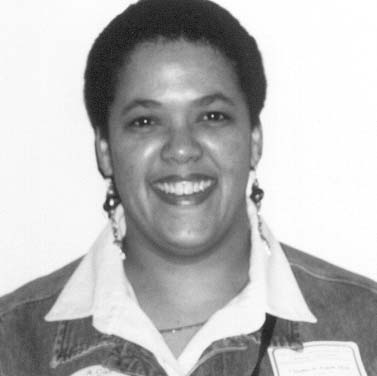
Dr. Claudia M. Fegan is a board certified internist who trained at Michael Reese Hospital in Chicago. She subsequently served as the medical director for Michael Reese after becoming board certified in quality assurance, risk management, and utilization review. Dr. Fegan left her successful private practice of 15 years to join the Cook County Bureau of Health Services in August of 2000. She currently serves as medical director for Fantus Health Center, a huge primary care clinic with more than 300,000 patient visits in 2004, part of the Ambulatory and Community Health Network of the Bureau. Dr. Fegan is the immediate past-president of Physicians for a National Health Program. She speaks extensively in this country and Canada about the impact of corporatization on the delivery of health care and the need for universal health care. She collaborated with Canadians Hugh and Pat Armstrong on Universal Healthcare: What the United States Can Learn From the Canadian Experience, published by the New Press in 1998.

Oliver Fein, M.D. — Chair, PNHP New York Metro Chapter
Dr. Oliver Fein is professor of clinical medicine and clinical public health at Weill Medical College of Cornell University in New York, where he serves as Associate Dean for Affiliations. Much of his work has focused on health system delivery reform. He was Robert Wood Johnson health policy fellow during 1993-1994, where he worked as a legislative assistant for the Senate Democratic Majority Leader, George Mitchell. Dr. Fein has been concerned with access to health care for vulnerable populations and the role of the academic health center. He spent 17 years at the Columbia Presbyterian Medical Center developing ambulatory care practices. He is chair of the New York Metro Chapter of PNHP and immediate past-chair of the medical care section of the American Public Health Association.

John P. Geyman, M.D.
Dr. Geyman is Professor Emeritus in Family Medicine at the University Of Washington in Seattle. For his contributions to medicine, he has been the recipient of many awards, including the Thomas W. Johnson award for contributions in family practice education and most recently, Alumnus of the Year at the University of San Francisco, School of Medicine. He has also written numerous books on family practice medicine and the health care system including Falling Through the Safety Net: Americans Without Health Insurance (Common Courage Press, 2004) and Shredding the Social Contract: The Privatization of Medicare (Common Courage Press, 2006).

David Himmelstein, M.D. — Harvard Medical School, co-founder, PNHP
Dr. Himmelstein practices and teaches primary care internal medicine at the Cambridge Hospital in Cambridge, Massachusetts and is an Associate Professor of Medicine at Harvard. He was a co-founder of PNHP and one of two National Coordinators for the first five years of the organization. Dr. Himmelstein co-authored PNHP’s original proposal, its long-term care proposal, and its proposal for financing a national health program. He recently co-founded the Center for National Health Program Studies at Harvard. His research focuses on problems in access to care, administrative waste, health care financing, and the advantages of a national health program. He is the co-editor of the PNHP newsletter and the PNHP slide presentation, and is a frequent speaker to the public and the profession.

Don McCanne, M.D. — Senior Health Policy Fellow, PNHP, and author, “Health Policy Quote of the Day”
Dr. Don McCanne is a retired family physician in San Clemente, CA. For decades, Dr. McCanne allotted half of his practice hours to indigent patients, and he was cited by the San Clemente City Council as being “…outspoken, especially when it involves the elderly and under-privileged, because he believes that the ability to pay should not be the major criterion for receiving healthcare.” Dr. McCanne is a tireless supporter of single-payer and has spoken and written extensively on the uninsured, health care costs, and health care policy. He authors a popular health policy “Health Policy Quote of the Day” that is archived on the PNHP web site at www.pnhp.org

Deb Richter, M.D. — Founder, Vermont Health Care for All
Dr. Richter is a family practitioner in Montpelier, Vermont. A former President of PNHP, she is currently involved with Vermont Health Care for All (www.vthca.org), and is an outspoken advocate and coalition-builder for universal access to health care. She frequently appears in print, TV and radio to advocate for single-payer issues. Her years of experience caring for the uninsured and extensive knowledge of the Canadian health system make her an outstanding spokesperson, being described as “a force of nature” for her tremendous energy and organizing ability.

Gordon Schiff, M.D. — Past-President, PNHP
Dr. Gordy Schiff is a senior attending physician in the general medicine clinic at Cook County (Stroger) Hospital and Professor of Medicine at Rush Medical College. He is active in the American Public Health Association, the Society for General Internal Medicine, Dr. Schiff was part of the writing committee of PNHP’s original proposal in the New England Journal of Medicine. He was the lead author of PNHP’s proposal on quality assurance, “A Better Quality Alternative: Single Payer NHI Reform” (JAMA, 1994). Dr. Schiff’s major interests are in quality, prescription drug costs and safety, and medical malpractice, and he is a frequent speaker to student, medical, and grassroots audiences. He was selected by Modern Healthcare as one of the top 30 future leaders in healthcare, and was awarded the Insititute of Safe Medicine Practices (ISMP) Lifetime Achievement Award in 2006.

Steffie Woolhandler, M.D., MPH — Co-Founder, PNHP
Dr. Steffie Woolhandler is an associate professor of medicine at Harvard University and co-director of the Harvard Medical School general internal medicine fellowship program. She received a B.A. degree from Stanford University and an M.D. degree from Louisiana State University. Dr. Woolhandler completed her residency at Cambridge City Hospital. She worked in 1990-1991 as a Robert Wood Johnson Foundation health policy fellow at the Institute of Medicine and the U.S. Congress. Dr. Woolhandler is a frequent speaker and has written extensively on health policy, administrative overhead, and the uninsured. A co-founder of PNHP and current board member, she co-edits PNHP’s newsletter and is a principal author of PNHP articles published in the JAMA and the New England Journal of Medicine. Dr. Woolhandler is also co-author of the PNHP slideshow.

Quentin Young, M.D. — National Coordinator, PNHP
Dr. Quentin Young is an internist in private practice in Hyde Park, Chicago, and has served as the volunteer national coordinator of PNHP for over a decade. He graduated from Northwestern Medical School and completed his residency at Cook County Hospital in Chicago. During the 1970s and early 1980s, he was chairman of the Department of Internal Medicine at Cook County, where he helped establish the Department of Occupational Medicine. In addition to his distinguished career as a physician, Dr. Young has been a leader in publish health policy and medical/social justice issues. He served for many years on the Health and Public Policy Committee of the American College of Physicians. In 1997, he was inducted as master of the American College of Physicians, and in 1998 was elected president of the American Public Health Association. He may be reached in the PNHP national office on Tuesday and Thursdays at 312-782-6006.

Sample Specialty Society Resolution

INTRODUCED BY: List Sponsors (The more, the better!)

TITLE: National Health Insurance- Improved Medicare for All

WHEREAS, the number of Americans uninsured is in excess of 46.6 million and tens of millions more Americans are underinsured and growing1;

WHEREAS, physicians have a moral imperative to advocate for a healthcare system in which all Americans have guaranteed access to high quality and affordable healthcare;

WHEREAS, business is increasingly withdrawing coverage from employees1;

Whereas, the quality of practice for physicians is declining and the lack of control over the practice of medicine (e.g. reimbursements, procedures and formularies) is growing;

WHEREAS, the healthcare infrastructure is inadequate and deteriorating (e.g. reduction in number of emergency rooms2, decrease in hospital beds3 and a decline in the ability to fulfill projected physician workforce requirements4);

WHEREAS, in the new global economy, American companies are at a competitive disadvantage, in part due to health care costs;

WHEREAS, our hodgepodge healthcare system is inadequate to meet homeland security threats (e.g. natural disasters, possible flu epidemics5 and terrorist attacks);

WHEREAS, universal health insurance would guarantee payment for all patients treated;

WHEREAS, the U.S. spends twice as much per capita in healthcare costs compared to other western democracies, yet fails to include all its citizens and fails to achieve equivalent healthcare statistics (e.g. life expectancy, infant mortality and vaccination rate)3;

WHEREAS, a single source government health insurance, i.e. Medicare, would reduce the vast sums of money spent on administrative costs that could more appropriately go to direct patient care6;

WHEREAS, medical malpractice premiums would decrease because settlements would not have to cover future medical expenses of the plaintiff;

WHEREAS, universal Medicare would increase choice of doctors and portability and eliminate job lock;

NOW, THEREFORE BE IT Resolved: that the (Name of Organization) does hereby endorse and will support HR 676, United States National Health Insurance Act (or the Expanded and Improved Medicare for All Act), which covers all medically necessary care for every American and guarantees meaningful physician input and/or negotiating power over all aspects of medical practice and the healthcare system;

and be it further Resolved: that the (Name of Organization) does hereby commit to encourage other medical groups to adopt the same policy and work together with other medical organizations work towards bringing this to reality.

Thanks to Harvey Fernbach for introducing a similar version of this resolution to the Maryland Medical Society.


1. Income, Poverty, and Health Insurance Coverage in the United States; 2005, August 2006. Current Population Reports U.S. Census Bureau
2.”Hospital-Based Emergency Care: At the Breaking Point,” Institute of Medicine, June 14, 2006
3. Health at a Glance- OECD Indicators 2005
4. “Physician Workforce Policy Guidelines for the U.S. 2000-2020,” Council on Graduate Medical Education, July 2004
5. National Strategy for Pandemic Influenza: Implementation Plan, Homeland Security Council, May 2006
6. Woolhandler, S., Campbell, T., and Himmelstein, D. “Costs of Health Care Administration in the United States and Canada.” New England Journal of Medicine 349:768-775, 2003

PNHP Privacy Policy

PNHP does its best to keep your personal information just that: personal. Our membership data is not and will never be sold or given to any third party for any commercial purposes–it is only used by the PNHP staff to contact members for PNHP purposes–renewals, sending the PNHP newsletter, new member packets, press releases, etc.

Our site uses cookies to provide extra functionality, but they are by no means required for access to any of the content on the site. We monitor website visits in aggregate to manage bandwidth and understand how the site is being used, but none of this provides any personal data to us.

PNHP Proposals

Beyond the Affordable Care Act: A Physicians’ Proposal for Single-Payer Health Care Reform
First published in the American Journal of Public Health, June 2016, Vol 106, No. 6

The Physicians Proposal for National Health Insurance
“Proposal of the Physicians’ Working Group for Single-Payer National Health Insurance,” JAMA 290(6): Aug 30, 2003

A Better-Quality Alternative: Single-Payer National Health System Reform
JAMA 272: Sept. 14, 1994

A National Long-term Care Program for the United States; A Caring Vision
Reprinted from JAMA. The Journal of the American Medical Association December 4, 1991, Volume 266 Copyright 1991, American Medical Association

Liberal Benefits, Conservative Spending
Grumbach, et al. JAMA, May 15, 1991, Vol. 265 No. 19

A National Health Program for the United States: A Physicians’ Proposal
Reprinted from the New England Journal of Medicine 320:102-108 (January 12), 1989

Administrative Waste Consumes 31 Percent of Health Spending
Woolhandler, et al “Costs of Health Administration in the U.S. and Canada,” NEJM 349(8) Sept. 21, 2003

PNHP Leadership Training Institute

PNHP’s 2020 Leadership Training will take place Friday, November 13, at the Westin Book Cadillac Detroit. The training includes PNHP’s Annual Meeting, which will be held the following day, Saturday, November 14.

Registration for the program will be available in Summer 2020.

If you have a friend or colleague who should attend PNHP’s Leadership Training, please send their information to organizer@pnhp.org.


The PNHP Leadership Training is for health professional advocates who are looking to take a leadership role in the grassroots movement for single payer.

The Leadership Training is an organizing training that focuses on developing specific advocacy skills in media, chapter development, health policy, and public education.

The faculty are nationally known researchers, teachers and leaders present data making the case for national health insurance and answer the “tough questions” of opponents. Small group and plenary sessions provide the opportunity for in-depth discussion of the material and extensive personal attention.

Most participants are physicians or physicians-in-training; a select few non-physician allied health professionals also participate.

Objectives

At the end of this course, participants will be equipped to:

  • Articulate the national single-payer vision to colleagues and confidently debunk common myths.
  • Utilize PNHP resources to develop and present a grand rounds or single payer presentation aimed towards a health professional audience.
  • Create a local media strategy that includes meaningful engagement in social media platforms
  • Plan and participate in a lobby visit with an elected official
  • Develop a local organizing strategy

How to Write an Op-Ed and Letter to the Editor

Guide to Editorial Placement

Most newspapers feature an “Op-Ed” and “Letters to the Editor” section in which readers and public figures can express viewpoints and/or respond to particular news events. An Op-Ed is generally a short (600 – 750 words) article expressing an opinion or viewpoint on a timely news topic. A letter to the editor is a very short (150 – 200 words) response to an article that recently appeared in the publication.

The Op-Ed and Letters to the Editor sections are among the most widely read sections of the newspaper. Publication of an op-ed or letter will assure your views will reach many people.

Op-Eds

The following pointers will help you get your op-ed piece published:

* Find a timely news hook. Editors need a reason why your viewpoint should be given attention right now. The release of a significant study by PNHP or some other source, annual events (such as new health spending figures or the yearly release of the number of uninsured), or responses to recently published articles are all good reasons.

* Know the word limit. Newspapers have limited space, and editors don’t have the time to cut your piece down to size. In general, 600 to 750 words will do, but check the paper’s online opinion page to find out its submission guidelines. A fairly up-to-date list of such guidelines (for the top 100 papers in the country) can be found at bit.ly/cacVBi, a valuable but slow-loading page from The Op-Ed Project (www.theopedproject.org).

* Make a single point. You only have 600 to 750 words. Make one point clearly and persuasively.

* Use short paragraphs. Make sure there’s a space between each paragraph. Avoid complex sentences.

* Avoid jargon. Simple language ensures that all readers, even non-experts, can understand your point. For example, don’t use acronyms or “policy wonk” language.

* “Humanize” your article. Illustrations, anecdotes and personal stories help explain and bring complicated issues to life. Think about your personal experiences as a physician in the community or as a physician-in-training and how a single-payer system would improve things.

* Make a specific recommendation. This is an opinion piece. State your opinion on how to improve matters.

* Draw the reader in, but get to the point. Your first paragraph should draw the reader in by using a dramatic vignette or a well-stated argument. If you choose to open with an anecdote or other device, make sure you quickly get to the point.

* End with a bang. Your final paragraph is as important as your opening paragraph. Be sure to summarize your argument in one strong final paragraph.

* Provide your contact information. List your name, address, phone, fax and e-mail contact information at the bottom of the piece.

* Submit your op-ed via e-mail, as a rule. Copy and paste the text of your op-ed into the body of an e-mail message. Don’t send it as an attachment. Instructions for submitting an op-ed are usually on the opinion page of the paper’s website. Most papers like them e-mailed. For detailed instructions, see bit.ly/cacVBi.

* Follow up. Most op-ed editors will respond to you within a week. If you haven’t heard back from them by then or if your piece is particularly time-sensitive, you can follow up with an e-mail message or phone call to ask if it was received and ask about its status.

Letters to the Editor

These tips will help:

* Make one clear argument. The piece should be in favor of or critical of a particular position taken by the paper or described in an article.

* Be specific. The letter should focus on a specific issue that was raised in an article or opinion piece.

* Cite the article. Be sure to mention the title and date of the article you’re responding to in one of your first two sentences. For example “Dear editor, Your recent coverage of the issue of the uninsured (“Health care in America,” May 11, 2012) was a thoughtful piece…”

* Be brief. Generally, 150 to 200 words in three to four paragraphs are ideal. If you can’t contain the letter to that length, consider asking someone to help you edit it or write a 700-word op-ed instead.

* Follow up. If you have sent your letter to the editor and haven’t heard anything within a week, feel free to send a note or make a follow-up call to check on its status. Be aware that editors receive hundreds of letters and may not respond to you immediately, if at all.

You must include your name, address and daytime phone number in your letter. Instructions for submitting a letter to the editor are usually at the bottom of the page where they appear or on the paper’s website. Find out from your local paper the best way to send a letter. Most prefer e-mail. A handy summary of the submission guidelines of the country’s top 100 papers can be found at bit.ly/cacVBi.

Click here for a printable handout version (pdf)

Sample Medical Society Resolution

Resolution Introduced in the New York American College of Physicians

WHEREAS, The American College of Physicians has a long-standing commitment to making affordable health insurance coverage available to all Americans, and

WHEREAS, in October, 2000, the Board of Regents approved the ‘Core Principles On Access’ that includes an explicit goal for all Americans to be covered by an adequate health insurance plan, a goal that remains unfulfilled, and

WHEREAS 46 million Americans lack health insurance, and another 16 million more have inadequate insurance to meet their health needs, and the Institute of Medicine stated in 2004 that lack of health insurance causes roughly 18,000 unnecessary deaths every year in the United States, and

WHEREAS a lack of adequate insurance prevents many of our patients from obtaining the care they need in a timely fashion, from getting the tests required for diagnosing numerous illnesses, including cancer, and from taking their physician-prescribed medications for treating chronic illnesses such as diabetes and asthma, and obtaining preventive care, and

WHEREAS illness and medical bills contribute to 50 percent of all U.S. bankruptcies, affecting more than 2 million Americans annually, and

WHEREAS existing, skimpy insurance policies are inadequate to protect against financial ruin: 75 percent of those bankrupted by medical bills were insured at the onset of their bankrupting illness, and

WHEREAS, the United States spends twice the amount per capita on health care as industrialized nations which provide comprehensive coverage to all citizens, and

WHEREAS one-third (31 percent) of health spending is consumed by unnecessary, wasteful administrative bureaucracy, and

WHEREAS wasteful paperwork and bureaucracy severely compromises physicians’ ability to practice medicine, and

WHEREAS the Institute of Medicine identified universal health care coverage as the first principle for ensuring the health of all Americans and called on the federal government to reach this goal by 2010, and

WHEREAS, the “advanced medical home” advocated by the American College of Physicians cannot succeed in a system dominated by private insurance companies, and

WHEREAS on July 30, 1965 Congress passed the first Medicare bill, despite numerous warnings about the ‘dangers of socialized medicine’, and opposition by the AMA, and, Medicare has become one of the most popular and successful Federal programs ensuring access to healthcare and dignity for this country’s senior citizens, now therefore

BE IT RESOLVED that the Board of Governors of the New York chapter of the American College of Physicians expresses its support for universal access to comprehensive, affordable, high-quality health care through a single-payer financing mechanism, i.e., for an expanded Medicare for All in New York State and in the nation.

Letter to the Editor Examples

Letters to the Editor by PNHP Members

April 26, 2006

To the Editor:

Lori Rackl’s story on uninsured cancer patients (“Uninsured Survivors Pay With Their Lives,” 4/26/06) is yet another powerful indictment of our broken healthcare system and a reminder of the need for a Single-Payer healthcare system in Illinois.

As a family physician who has worked in Chicago’s inner city for close to ten years, I have, unfortunately, seen many examples where patient’s health has deteriorated due to their inability to access healthcare. As a resident on the West Side of Chicago working on the inpatient ward, I took care of a beautiful African-American woman named Evelyn who had no health insurance, but a mounting health concern. One year prior, she had visited a primary care doctor to inquire why an ulcer on her breast would not heal. By the time she had decided to scale the financial barrier of seeing this doctor, the ulcerating sore, which was pathologically shown to be infiltrating ductal carcinoma, had long before migrated from her breast and seeded itself in the soft tissue or her abdomen and neck. Evelyn had metastatic breast cancer. She died five days later, before our hospital was even able to print her bill.

At Cook County Hospital, where I refer all of my uninsured patients, the wait to get a diagnostic colonoscopy can be as long as 18 months. Invasive carcinoma of the colon does not wait 18 months to progress and kill our patients. Long waits for cancer care persist at public hospitals because our profit-driven healthcare system leaves sick patients behind. A Single-Payer system, by contrast, would allow these patients to receive care elsewhere, thus saving lives!

A Single-Payer system would give everyone in this country all necessary healthcare coverage for his or her entire life. In a system like this we would take care of the patients that Lori Rackl wrote about, but most importantly, we would show them the dignity they deserve.

Sincerely,

Robert C. McKersie, MD
Family Physician
Author of In the Foothills of Medicine, A Young Doctor’s Journey from the Inner City of Chicago to the Mountains of Nepal.

  • « Go to Previous Page
  • Page 1
  • Interim pages omitted …
  • Page 45
  • Page 46
  • Page 47
  • Page 48
  • Page 49
  • Page 50
  • Go to Next Page »

Primary Sidebar

  • About PNHP
    • Mission Statement
    • Local Chapters
    • Student chapters
    • Board of Directors
    • National Office Staff
    • Contact Us
    • Privacy Policy
  • About Single Payer
    • What is Single Payer?
    • How do we pay for it?
    • History of Health Reform
    • Conservative Case for Single Payer
    • FAQs
    • Información en Español
  • Take Action
    • The Medicare for All Act of 2025
    • Moral Injury and Distress
    • Medical Society Resolutions
    • Recruit Colleagues
    • Schedule a Grand Rounds
    • Letters to the Editor
    • Lobby Visits
  • Latest News
    • Sign up for e-alerts
    • Members in the news
    • Health Justice Monitor
    • Articles of Interest
    • Latest Research
    • For the Press
  • Reports & Proposals
    • Physicians’ Proposal
    • Medicare Advantage Equity Report
    • Medicaid Managed Care Report
    • Medicare Advantage Harms Report
    • Medicare Advantage Overpayments Report
    • Pharma Proposal
    • Kitchen Table Campaign
    • COVID-19 Response
  • Member Resources
    • 2025 Annual Meeting
    • Member Interest Groups (MIGs)
    • Speakers Bureau
    • Slideshows
    • Newsletter
    • Materials & Handouts
    • Webinars
    • Host a Screening
    • Events Calendar
    • Join or renew your membership

Footer

  • About PNHP
    • Mission Statement
    • Local Chapters
    • Student chapters
    • Board of Directors
    • National Office Staff
    • Contact Us
    • Privacy Policy
  • About Single Payer
    • What is Single Payer?
    • How do we pay for it?
    • History of Health Reform
    • Conservative Case for Single Payer
    • FAQs
    • Información en Español
  • Take Action
    • The Medicare for All Act of 2025
    • Moral Injury and Distress
    • Medical Society Resolutions
    • Recruit Colleagues
    • Schedule a Grand Rounds
    • Letters to the Editor
    • Lobby Visits
  • Latest News
    • Sign up for e-alerts
    • Members in the news
    • Health Justice Monitor
    • Articles of Interest
    • Latest Research
    • For the Press
  • Reports & Proposals
    • Physicians’ Proposal
    • Medicare Advantage Equity Report
    • Medicaid Managed Care Report
    • Medicare Advantage Harms Report
    • Medicare Advantage Overpayments Report
    • Pharma Proposal
    • Kitchen Table Campaign
    • COVID-19 Response
  • Member Resources
    • 2025 Annual Meeting
    • Member Interest Groups (MIGs)
    • Speakers Bureau
    • Slideshows
    • Newsletter
    • Materials & Handouts
    • Webinars
    • Host a Screening
    • Events Calendar
    • Join or renew your membership
©2025 PNHP